
Case Study: Camphill Village Kimberton Hills
A ~100 person village in Pennsylvania dedicated to the needs of people with special needs

Editor’s note: this is a guest post from Sandy Bardsley, who left a tenured professorship at a local university to live in Camphill village full-time. As she says, ‘in the age of AI writing student papers, life in the village feels to me more authentic and direct.’
This is part of an ongoing series of deep dives on coliving spaces. To see others, visit the Supernuclear directory. If you want to contribute a case study of your community, you can find the format and how to submit here.
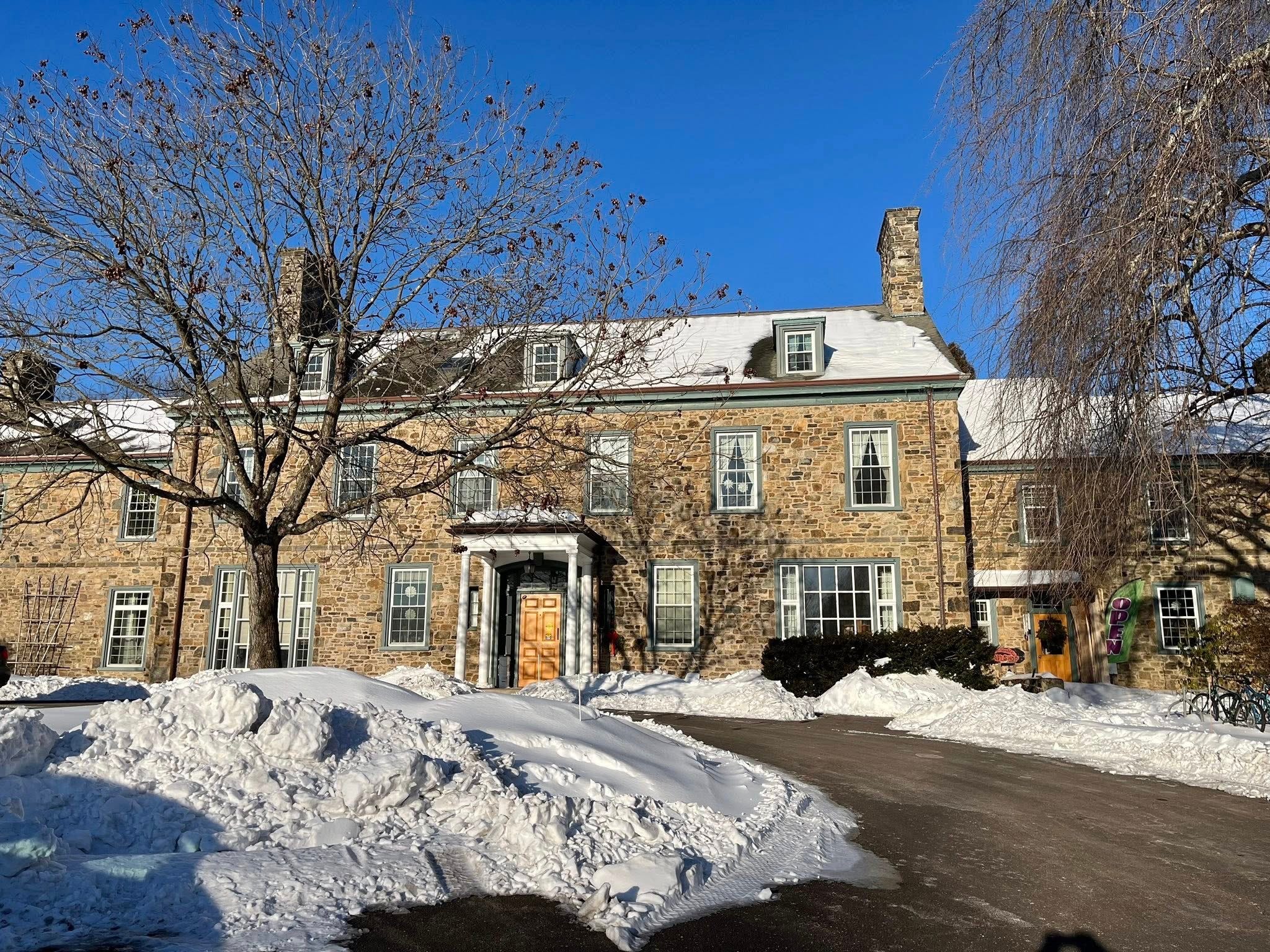
Date founded: 1972
Location: Kimberton, PA (about 45 mins from downtown Philadelphia)
Rented or owned: Owned, thanks to a generous start-up donation
Amount of space: Approximately 120 beds on 432 acres of land
Governance: A consensus-based flat organizational structure, with a mostly hands-off Board of Directors
Origins
We have deep roots, originating in Scotland when people with developmental disabilities were fleeing the Nazi holocaust. The Camphill movement aimed to establish residential communities designed around the needs of adults and children with developmental disabilities, neurodivergence, or other special needs. There are now over 100 Camphill communities on five continents, although some no longer “lifeshare” (more on that below) but employ staff who live outside and draw wages. Some who join us have interests in a philosophy called anthroposophy, derived from the idea of Rudolf Steiner (Waldorf schools are another example of Steiner-influenced ideas). But no religious or philosophical affiliation is required.
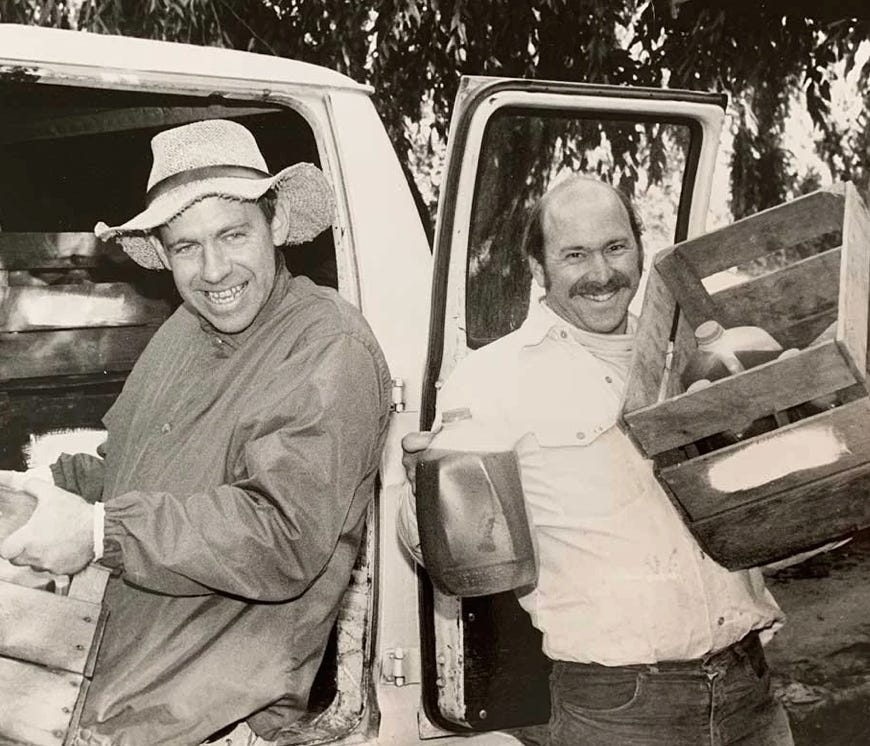
Our own community began in 1972 as an offshoot of Camphill USA in Copake, NY. The last of our founders retired just last year, in her 90s, but stories of the early days still abound. We have grown considerably over the decades, but we have also made choices to limit our growth. We do not aspire to become large.
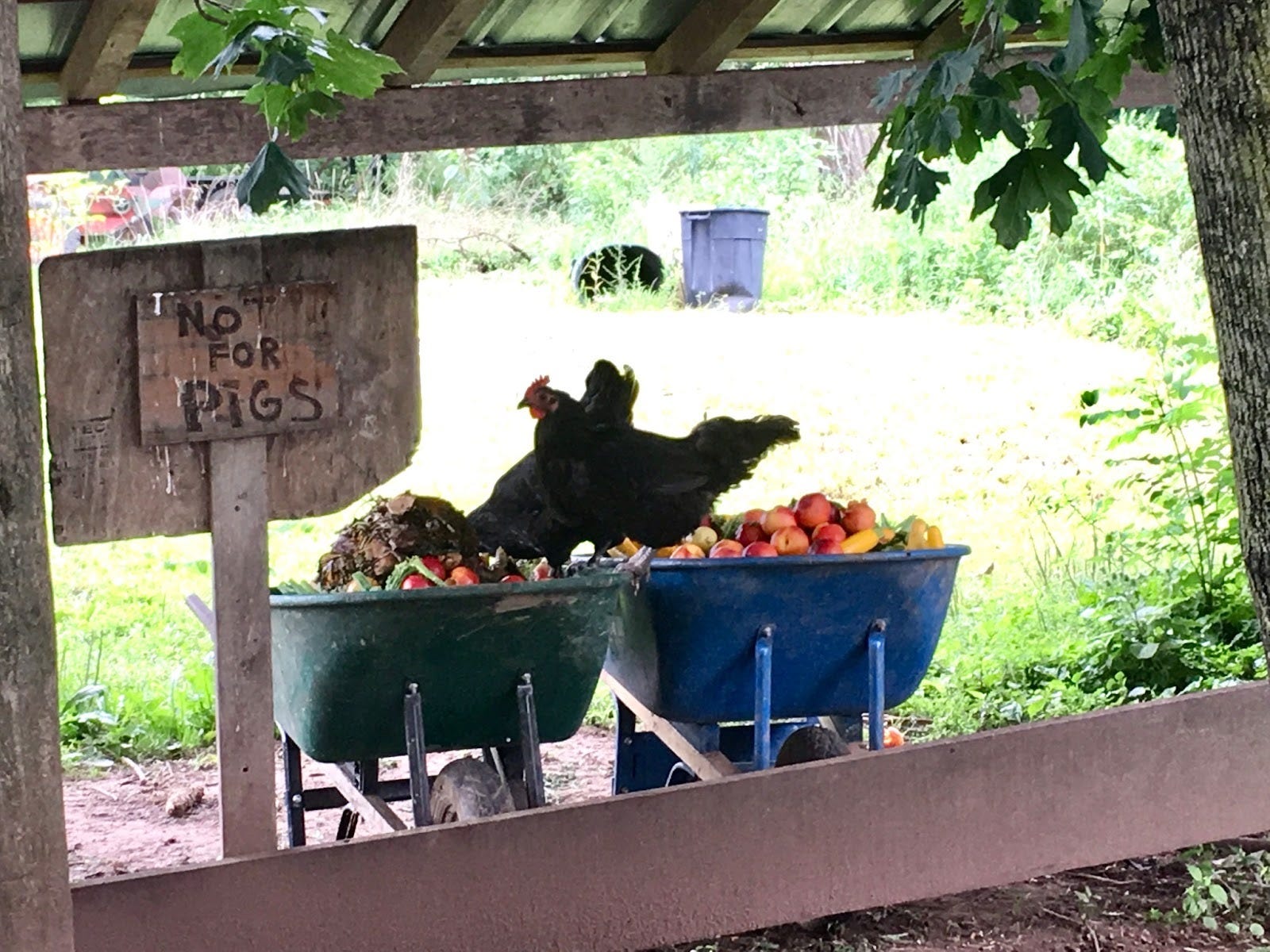
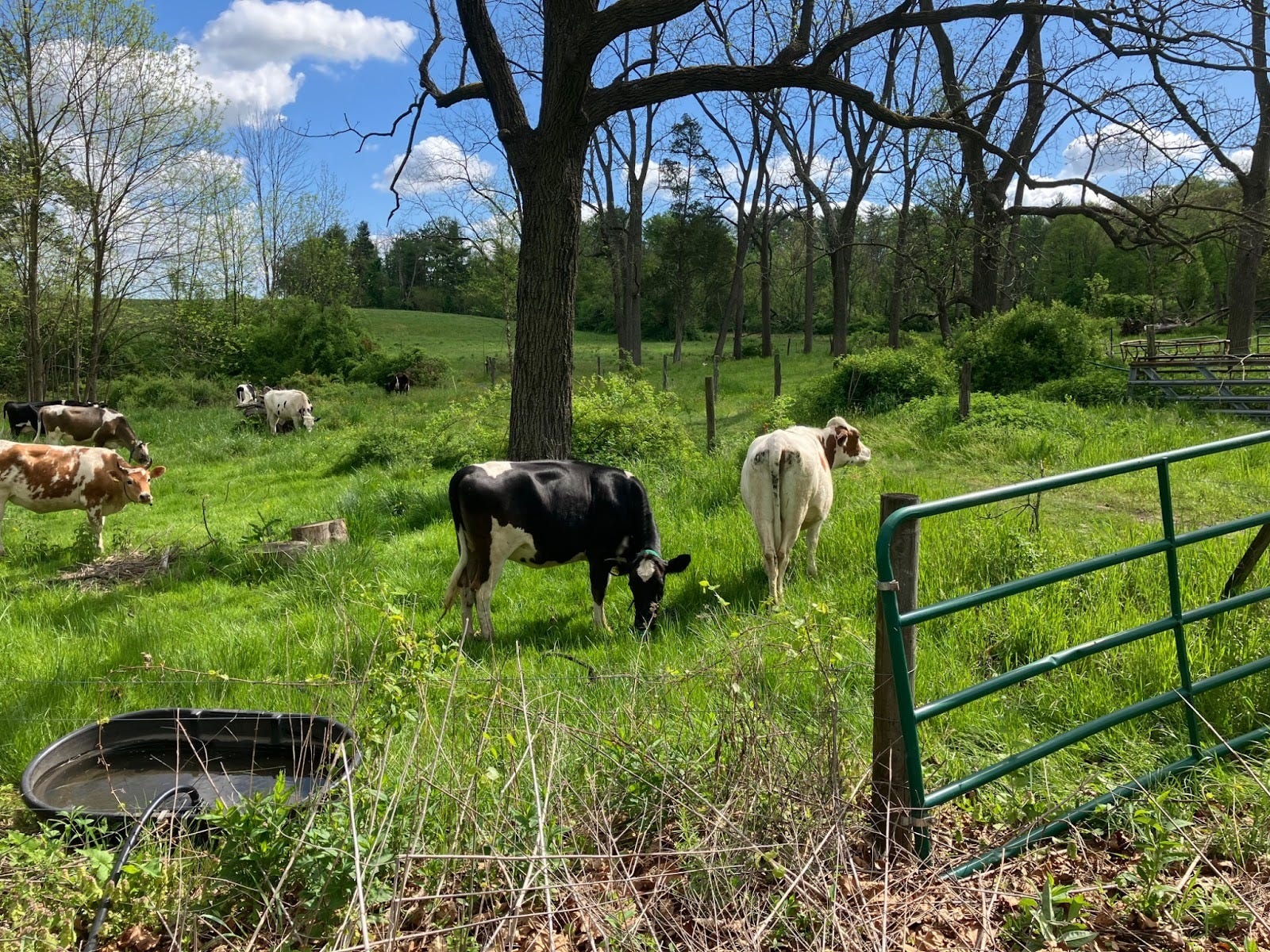
We now have about 15 co-housing houses, ranging from 2 to 13 residents, but we function very much as a village with much movement between the houses for meals, work, etc. We have a mixture of old houses (some over 250 years old) and purpose-built houses, farm buildings, agricultural and pastoral land, an orchard, woods, and even an in-ground swimming pool. Our workshops include a bakery, cafe, pottery, weavery, woodshop, mosaics studio and fiber arts studio, and a number of agricultural work areas. We host a CSA (community-supported agriculture) collective for the village and neighbors and run a dairy that sells raw milk and cheese.
Inner workings
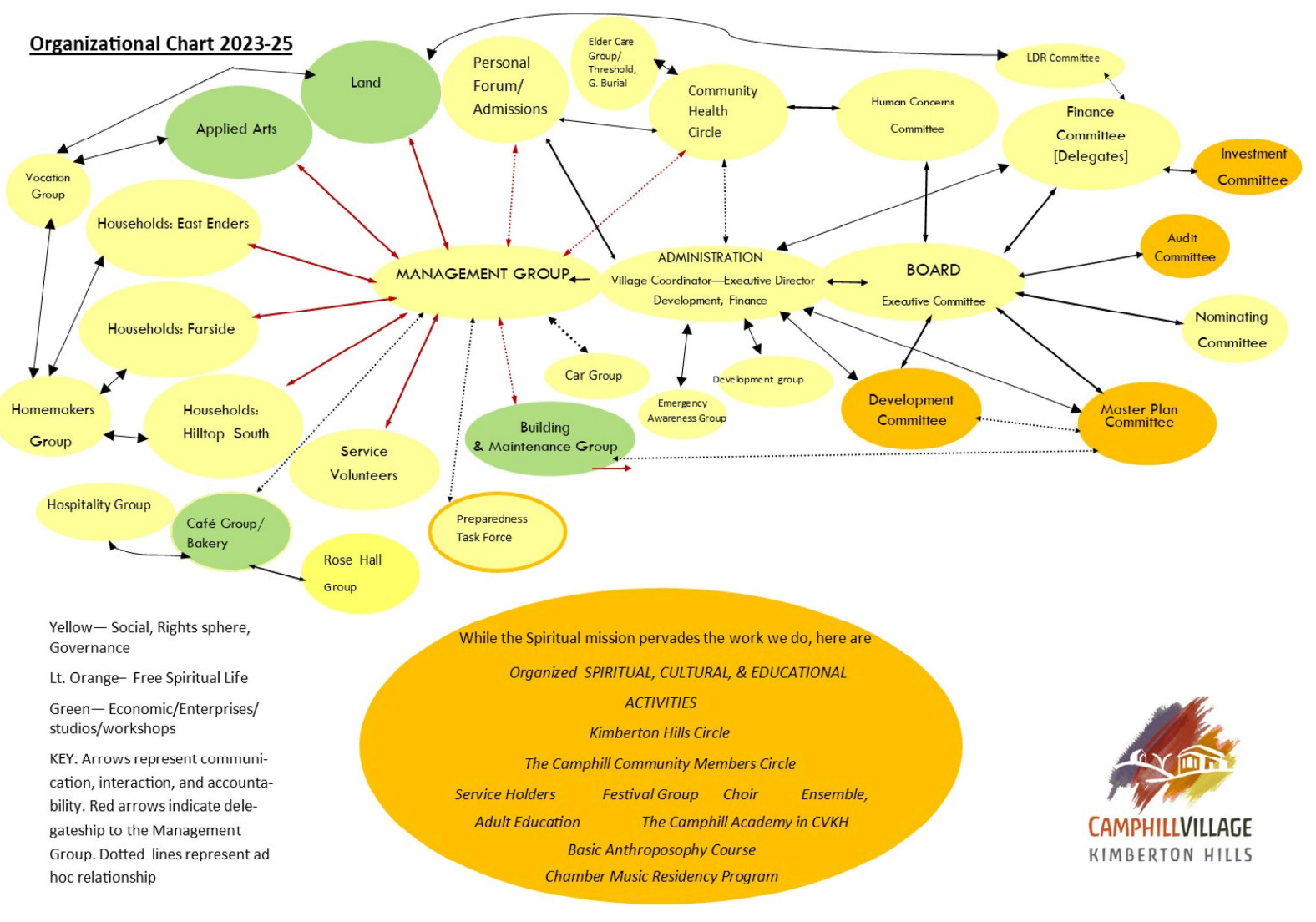
To make decisions, we have an organizational map, showing which groups report to which, and it looks like a collision of several solar systems. Many ideas and concerns originate at the level of housing associations (we are divided into 3 clusters of houses) to which anyone can bring a point. Groups are formed with representation from each of the three housing associations. We also have two main work-based associations: one for crafts and one for land-based work. We have other groups for specific needs -- e.g., elder care, festivals, finance, etc. We have a Board of Directors, but it is very hands-off and leaves most things to the community. The group of long-term coworkers (about 25 people) is the ultimate decider in most cases, and this happens via consensus.
Our community is unusual in that it combines living and working – we lifeshare. We have a few paid staff members who go home at night to their own houses, but the majority of us do not receive a wage. Instead, the community pays for all our needs (food, housing, vacations, pets, a small stipend to cover incidentals). We’re open to hybrids on this model, though: in a couple of cases, spouses who work outside the village contribute most or all of their income to the village. People are not asked to contribute assets to join. If someone decides to leave, we form a group to consider their financial needs and they are given money as “enablement” to establish themselves in their new lives. Years of service are part of that consideration, but so too are circumstances such as children’s school or university tuition, need for a vehicle, etc.
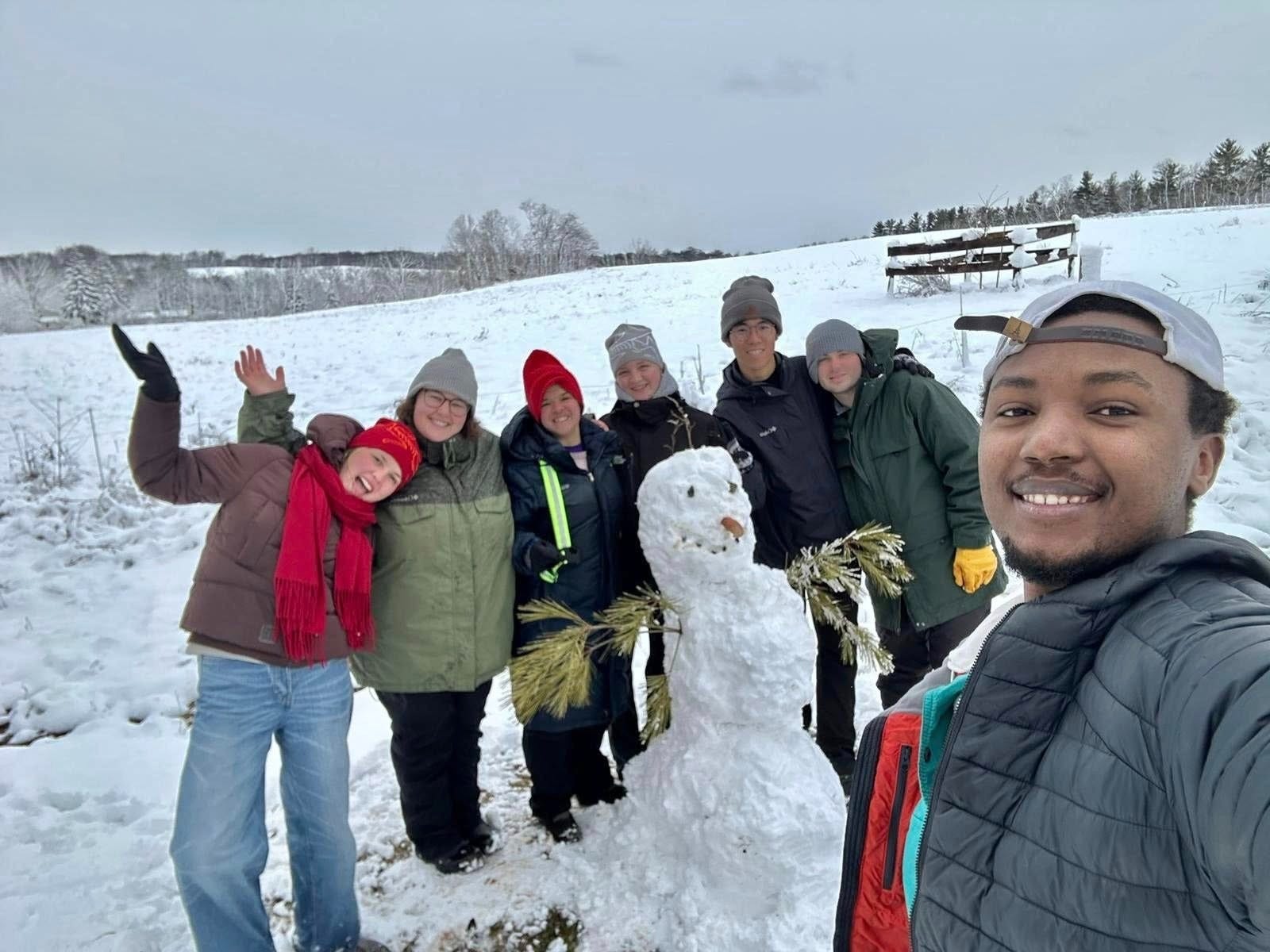
Some people have lived in the village for over 50 years; others come for a gap year between university and paid employment or spend time here between jobs. CVKH is a good place to try out community living and see if it works for you. For scheduling purposes, we sometimes make a distinction between those who have committed to stay for 3 years or more and those who plan on staying up to a year: it would not make much sense to schedule a newcomer to take on a task that requires careful training or to guide a group of people they do not know. But there is a fierce egalitarianism, too: points for discussion are brought to meetings by people with and without developmental disabilities and by short-term and long-term coworkers. We currently have 4 families with preschoolers and 2 with school-aged children, and even the kids have the chance to “bring a point.”
Lessons learned
This is a good place to practice gratitude and consciously notice the work of others. Often, at the beginning of a meal, we reflect on the various ways we have all contributed to it: one person helped grow vegetables, another carried compost to help those vegetables grow, someone stirred the onions, someone hefted the heavy bags of flour from the co-op, someone dried the dishes after our last meal so that we have clean plates, etc. On July 4, we celebrate “Interdependence Day.”
Life feels more authentic with less visible technology. We drive community-owned cars, have wifi in our houses, own cell phones, and rely on WhatsApp networks for getting timely messages out. But there is an unspoken rule that phones are not to be visible at meals and in other public settings. Most houses either have no tv or have it in a back room, only turned on at specific hours. People can and do connect to the internet on their own devices in their bedrooms.
People inevitably have conflicts, and it’s OK. What’s needed is a robust system for managing it – one-to-one conversations, mediated conversations, meetings. This is a safe space to make mistakes, as long as you are able to own them. Even then, it sometimes doesn’t work out, and people either find ways to work around one another or move on.
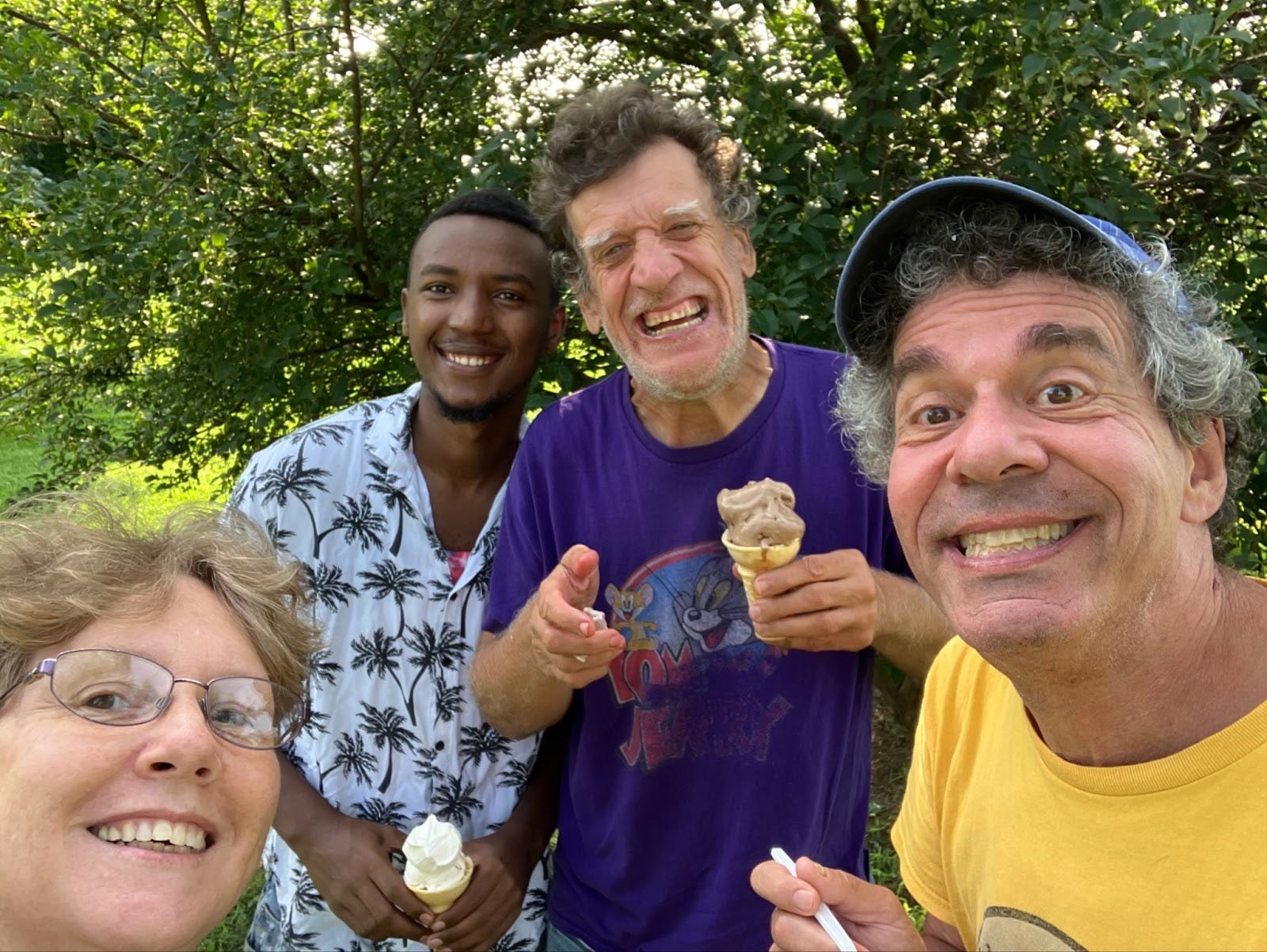
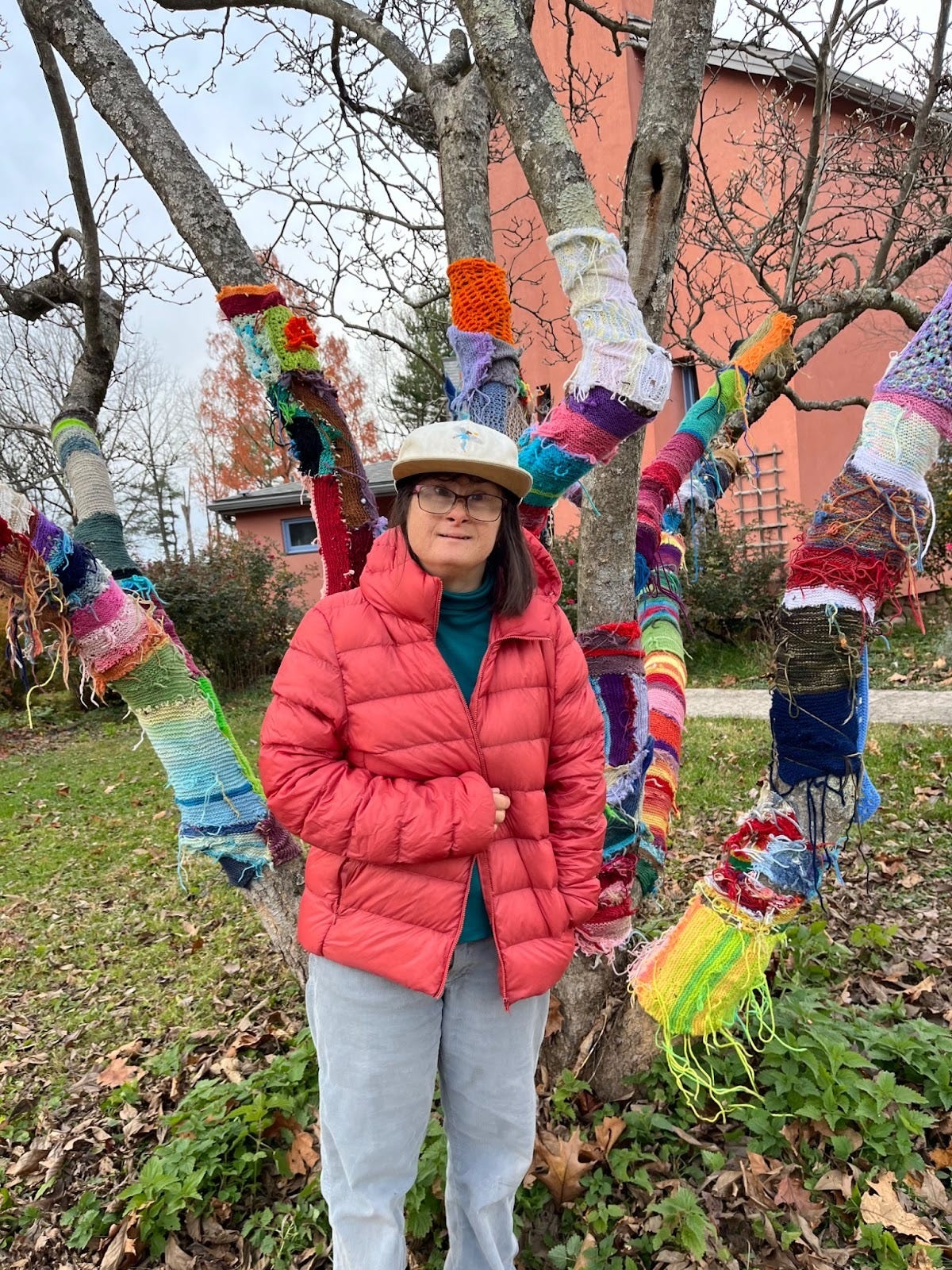
Play is good, though not compulsory play. Sometimes we do silly things, like our annual wassailing parade to scare the demons out of the orchard. Or the tree we wrap annually in knitting done by Mary. But not everything works for everyone. Jeffrey hates festivals, so of course he doesn’t have to come.
Being here for and with people with disabilities is something that ties us together. We may not all agree in our budgeting process, but we work together to come to decisions, and no one has any doubt that we want a safe, stimulating, happy, comfortable space for all.
Lessons in progress
We are multigenerational, and we are still learning about how to connect well with Gen Z, the folks whose middle school and high school experiences were interrupted by Covid.
Although we are not anti-technology, we have differing levels of facility and comfort with it. Some people welcome AI, whereas others are cautious of it. Some people with disabilities – and some without – arrive with cell phones and an expectation that phones are permanently switched on; others experience that it detracts from community life. Phones are not usually visible in common spaces, but should they be audible? We’re still working this out.
Where do we get money? We have chosen not to be licensed and get no money directly from the state. This means we must rely on funding from families of people with disabilities and on donations, in addition to what we make and sell. The insecurity of this funding can cause headaches. Ecological awareness, frugality, and sharing helps. We would like to be more open to people with disabilities from every part of the economic spectrum and have set up a dedicated fund for that purpose.
In conclusion
This is a great place to learn about community living. We have solid economic grounding and a history of making consensus work, albeit sometimes imperfectly. We have systems and processes, but they’re very much open to reconsideration as times change. One of our long-time residents, Diedra Heizman, perhaps states it best:
Depending on how and why you approach Camphill Village Kimberton Hills, you might think of it first as a biodynamic farming and gardening training center, or as an example of intentional community living, as a residence including people with developmental or cognitive “disabilities,” a local organic food producer, or as a workshop and conference site. Perhaps you would see it as an ideal place to help students of varying ages integrate ideas about sustainability, social renewal, local sustainable agriculture, healthy lifestyles, watershed management, sustainable architecture, and entrepreneurial partnerships. You might see it as a studio for artists, weavers, potters and mosaic art, or an ideal place to volunteer for a day, a year or a lifetime.
Thanks Sandy for sharing your story of Camphill Village Kimberton Hills! To join the community for a year or more, you can get more information here.
Curious about coliving? Find more case studies, how tos, and reflections at Supernuclear: a guide to coliving. Sign up to be notified as future articles are published here:
And you can find the directory of the articles we’ve written here.
 | A guest post by
|