
Case Study: K9 Coliving
a ~50 person coliving community in Stockholm
Editor’s note: this is a reader-submitted case study from Morgane Oléron, part of an ongoing series of deep dives on coliving spaces. To see others, visit the Supernuclear directory. If you would like to contribute a case study of your community, awesome! Please find guidelines for submission in this post.
The best laid plans of people who start coliving projects often go awry, but that doesn’t have to mean a community ends. After a rocky beginning, K9 Coliving has now been around for almost a decade - read on to find out how and why.
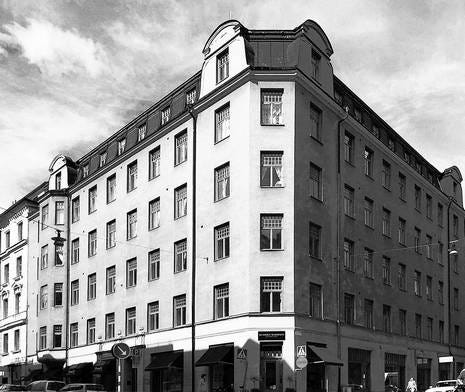
Dates operating: November 2016 - present
Location: Stockholm, Sweden
Rented or owned: Property owned by landlord/investor and rented by residents, who each have individual contracts.
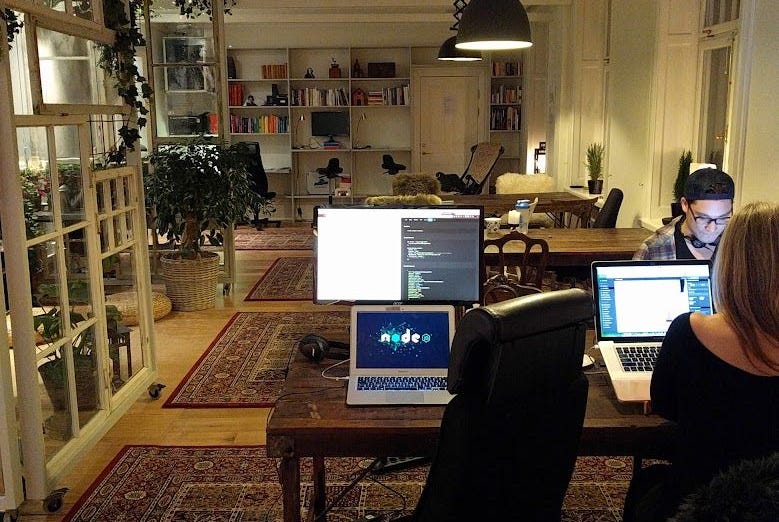
Amount of space: Four story former hotel. 33 rooms, each with its private bathroom and varying numbers of beds (single, shared, double, bunk beds, and “pod rooms”). 6 additional shared toilets, 5 kitchens, 3 living rooms, meditation room, gym, and coworking space.
Governance: It’s a long story, and the topic of this piece.
FROM TECH FARM TO K9
A Short Honeymoon
I moved into K9 Coliving, or what was still called Tech Farm at the time, during the honeymoon period, in August 2017. It had opened its doors (despite still being a construction site on several floors) just nine months earlier, and it was buzzing, filled with energy and the excitement of being part of something new and bigger than ourselves. There were 50 of us. So when I say it was buzzing, it really was. There was always something happening, on every floor, behind every door, doors that were never locked.
At 31 years old, I was sharing my room again. It felt strange, but somehow it worked. I felt like I was finally living out my childhood dream: living the life of Rachel, Joey, Chandler, Ross, Monica, and Phoebe. There were friends at the breakfast table, dinners together every night, always someone to talk to, someone to hang out with, watch a movie with in PJs, debrief in work clothes, or party with in costumes, all in our home.
Four months later, it came crashing down. It sounds dramatic, but for us living there, it was. The honeymoon of the project ended with the separation of the couple who started it. It was a personal and financial heartbreak - except that instead of one person moving out, it could mean 50 of us would have to leave our home.
Let’s Go Back a Bit.
In 2011, Lisa Renander opened the very first coliving house in Stockholm. She had discovered the concept of coliving (the modern version of it at least) while studying in California and brought it back to her home country. She called this 5-storey townhouse Hus 24. It became the home of 12 to 13 people sharing a living room, kitchen, and so much more. It quickly received more applications to join than it could handle, and Lisa decided she could expand the concept through a proper company.
In 2015, she and her then-partner founded Tech Farm. This purpose-driven real estate venture aimed to launch and manage conscious coliving and coworking properties for global citizens. The idea behind the name “TechFarm” was to combine the creativity born from the effervescence of the urban lifestyle and the wellbeing one can find in the countryside.
That same year, philanthropist and social entrepreneur Thomas Björkman (now launching Emerge Lakefront), together with angel investor Dan Eriksson, decided to invest in the project and presented them with their next location: a former hotel that had been standing empty for years in the heart of the city.
K9 opened its doors to its very first residents in November 2016. The walls still smelled of paint, and the carpets were still being installed. As most of the kitchens were still being fitted, food was provided during the first month, something that would not last, but definitely helped kick-start a sense of community. The first residents were a group of young (mid-20s to 30s) entrepreneurs, eager to explore a different way of living in the city: more consciously and closer together.
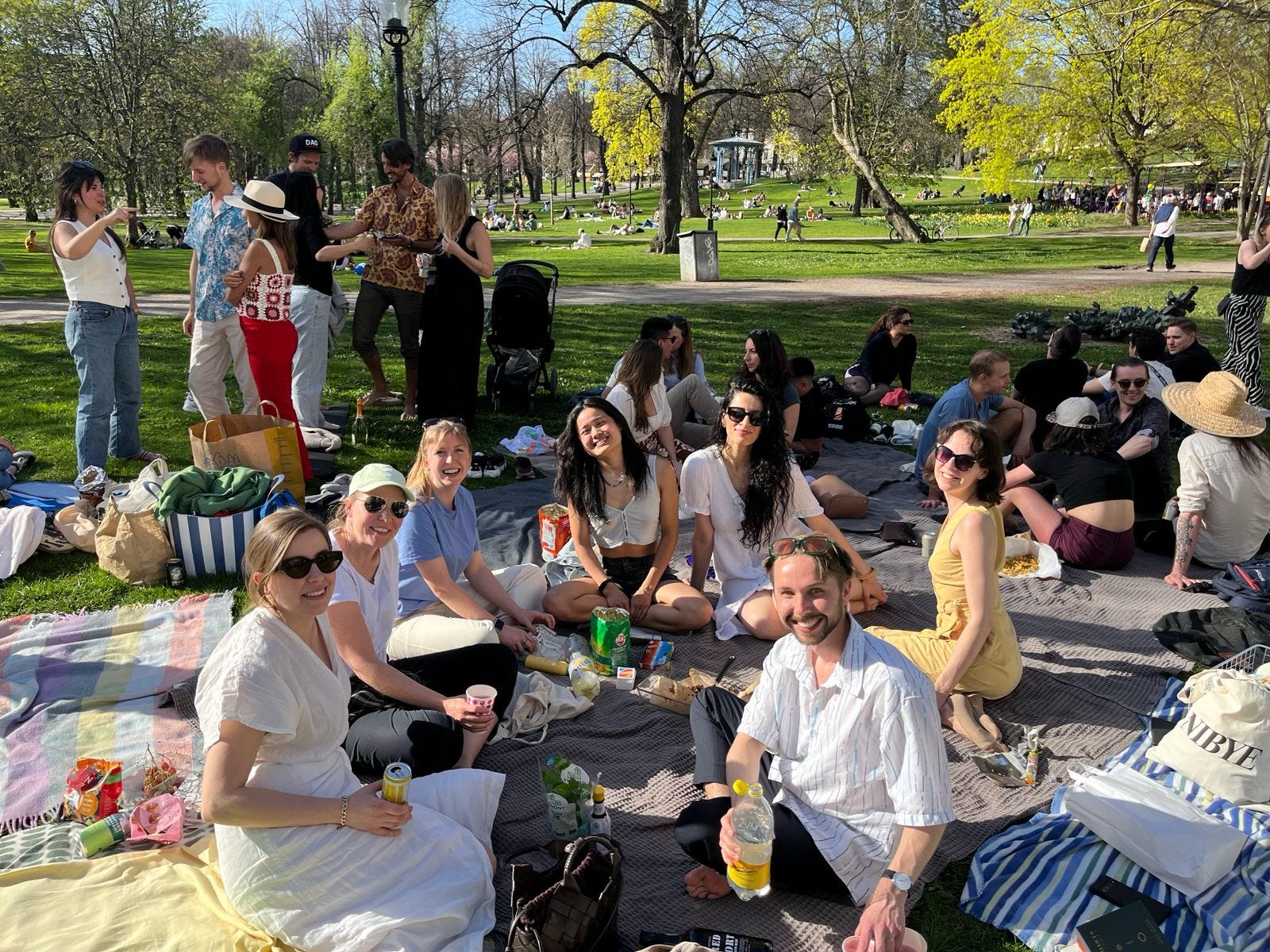
Lisa and her partner also moved in and became the heads of the house, working with three paid managers to run recruitment and community building. While there was a leadership team, every resident had a role to play as part of the intentional community we were building together. Everyone was strongly encouraged to contribute, self-leadership courses were offered, celebrations and monthly house meetings rhythmed the first year. A new cohort of 10-15 people moved in throughout 2017, and when I joined, we were a full house.
Unfortunately, in December 2017, the community discovered that the house was financially struggling and that, for personal reasons, Lisa and her partner were leaving.
That news sent a wave of shock throughout the house. No one expected it. People reacted differently, torn between loyalty to the community and the very real possibility of not having a roof over their heads… in much the same way as in most big cities, finding accommodation in Stockholm is a real headache.
The period that followed now feels like a blur. A lot of uncertainty, chaos, and confusion. A lot of people left. Those who stayed behind could not help but feel a bit betrayed…with more rooms to fill, the financial situation could only worsen. Despite being stressful, it was a period of great creativity and collaboration. We had meetings and hosted a hackathon to figure out ways to make money; we even considered a K9 marketplace where we would sell our skills.
Eventually, we created a “task force” of four residents, who met with our landlord/investors to try and convince them to let the community stay and “run itself”. How? We weren’t sure yet. But somehow, they agreed. That was the birth of K9 Coliving as it is today.
Chaos, Mother of Community?
That was just the beginning. This period of uncertainty had shaken the community, and we had rooms to fill.
At first, in fire-fighting mode, we rebuilt a semblance of governance on the ashes of the old principles. And slowly, as we gained confidence in our abilities, we changed them to fit the new community that was building itself. From two leaders and shared responsibilities, it evolved into a system with no leaders and individual roles, eventually moving more toward holocratic models with teams, and then settled somewhere in between.
It took years for things to finally “settle down”. For things to no longer need to be “re” discussed, for old hatchets to be buried. Everything felt important, everything felt personal, everything felt “community-life threatening”. Looking back now, it feels almost silly how deeply we cared. But this is how much the community meant to us.
It may sound dreadful, but for many of us, it was also exciting. It was the most alive I had felt in years, knowing I was able to impact my community, that we were working hard to stick together, that we were part of something bigger than ourselves.
Who lives there:
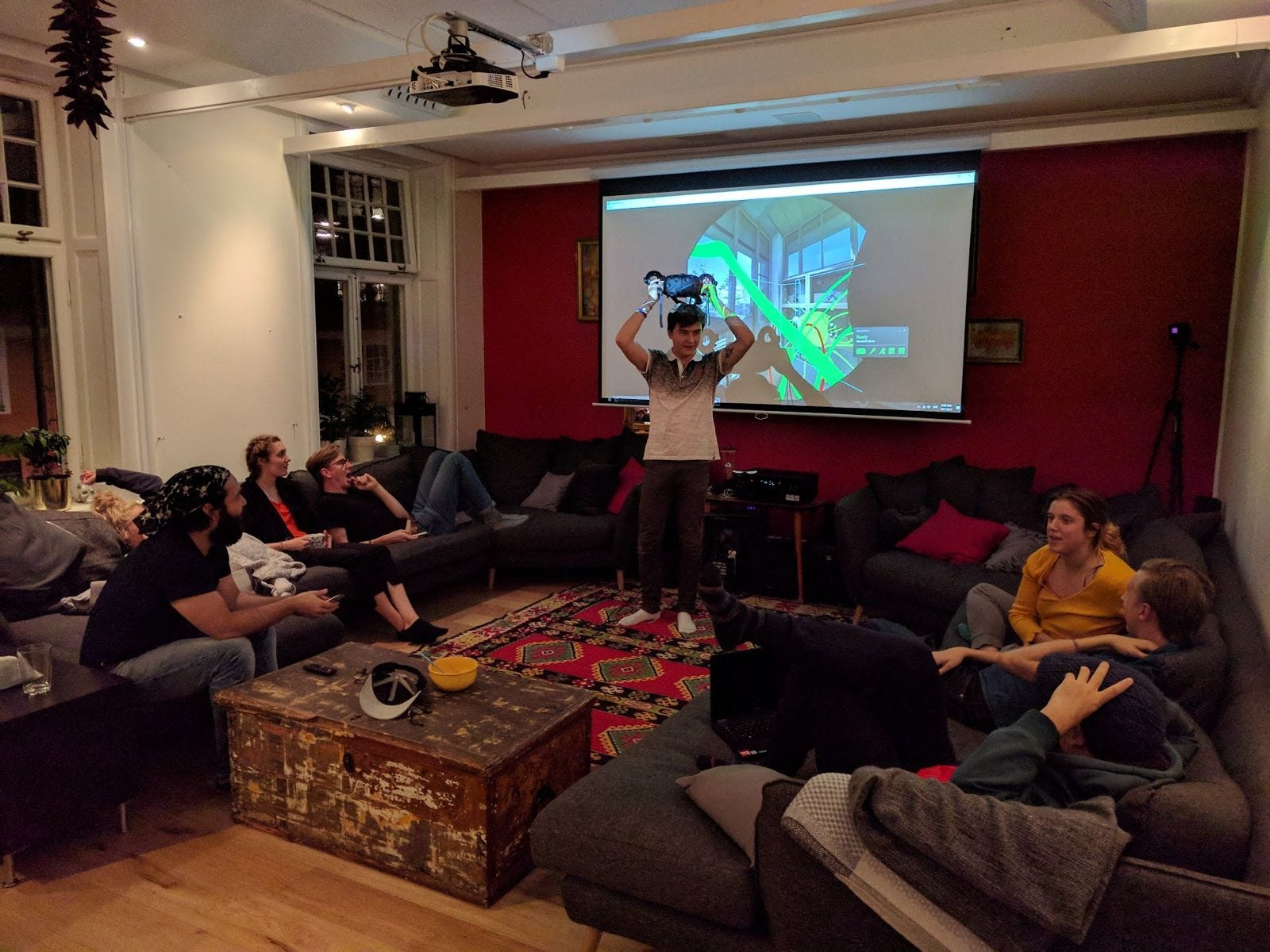
At the start, Tech Farm attracted a lot of entrepreneurs, but with the new “leadership” or absence of leadership, the profiles of the residents changed. With a length of stay between six months and seven years, the profile of the K9ers is always evolving but there are always around 20+ nationalities, about 50/50 Swedes and foreigners, as young as 4 years old and as old as 50+, a mix of PhD students, architects, yoga teachers, doctors, psychologists, artists, designers, developers, entrepreneurs and everything in between.
All Grown Up
Nine years after the door first opened and eight years after it became the “coliving UFO” it is today, things have calmed down. There are less pressing matters to discuss, less “vital” issues to figure out. I hear from my friends still living there that house meetings are much calmer and, more importantly, shorter.
For me, the K9 adventure came to an end after three years. More by “romantic obligation” than personal choice. If it weren’t for meeting my now husband at K9, a Brit who desperately wanted to move back home, I would probably still be at K9. But we have done our best to carry the spirit of what we learned at K9 forward through Selgars, which will be the topic of a future Supernuclear post.
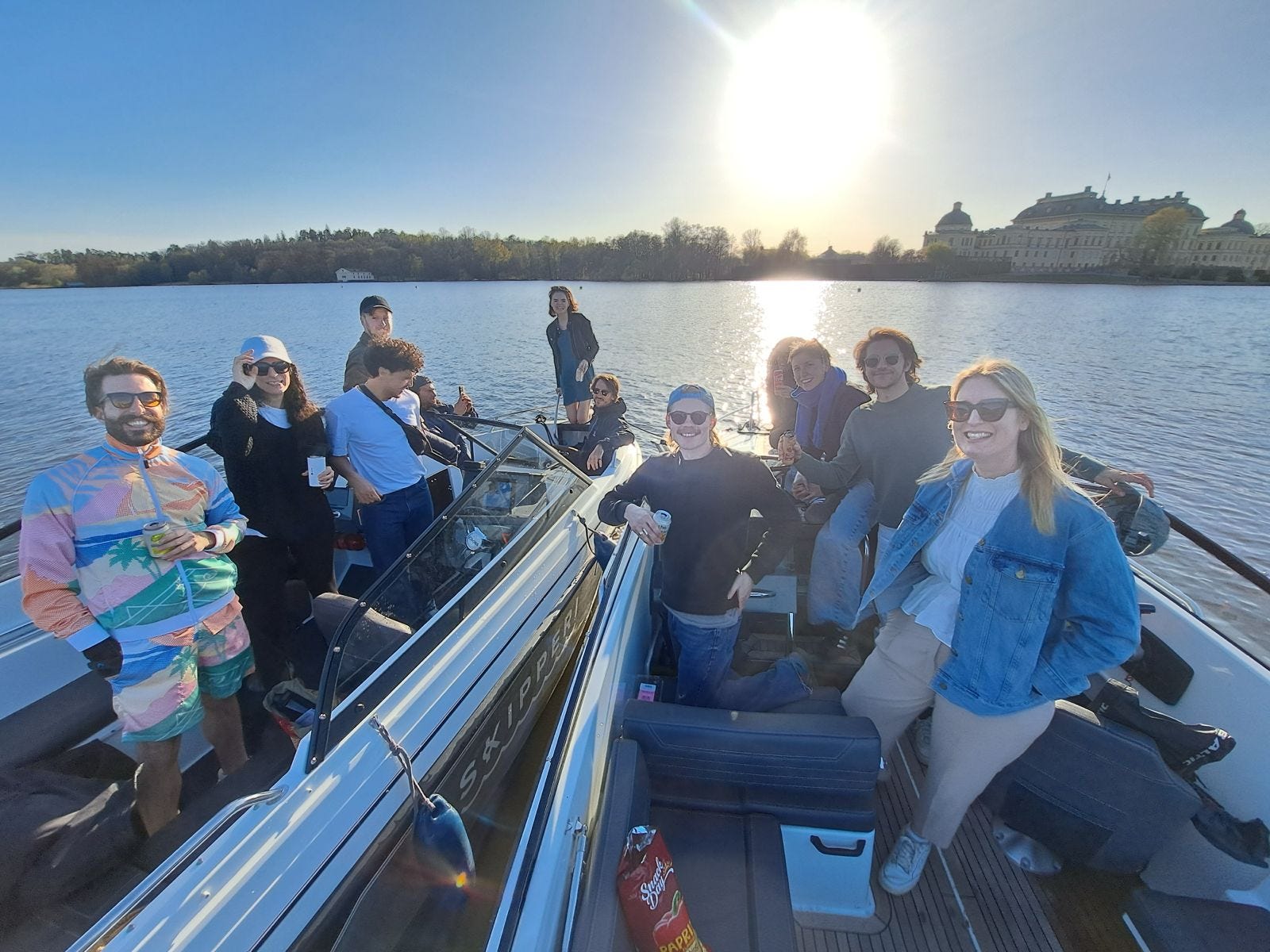
As I visited recently, I also noticed a different atmosphere. A day-to-day that is softer. Of course, there are still the never-ending threads on Slack about someone’s messiness. But values, expenses, and systems are in place, leaving space for more fun activities and a different type of bonding around ski trips, more parties, and group wellness practices. In a way, K9 now seems more open to the outside, connecting with other groups and communities such as Hus 24 or LakeFront.
I went home after that trip a bit emotional, thinking, K9 is all grown up.
If you’re interested in living at K9, you can find more info and apply on their website.
Suggested further reading:

Curious about coliving? Find more case studies, how tos, and reflections at Supernuclear: a guide to coliving. Sign up to be notified as future articles are published here:
You can find the directory of the articles we’ve written and plan to write here.
So much learning!
thanks for the opportunity of sharing my story!